
Share by email
Please log in
Register
Minotti Authorized Dealer
- Download Area
- The World of Materials
- My Selection

Built Environment: Designing Beyond the Building
The built environment represents the broader framework that brings together everything we design and build around people. It extends beyond individual buildings to include outdoor spaces, relationships between buildings, movement, infrastructure, materials, nature, and the visual identity of a place.
At Ekelenza, we believe a successful project must be understood within its complete context. A building may be visually distinctive, but its value becomes greater when it forms part of an integrated environment that functions efficiently, supports its users, and responds meaningfully to its surroundings.
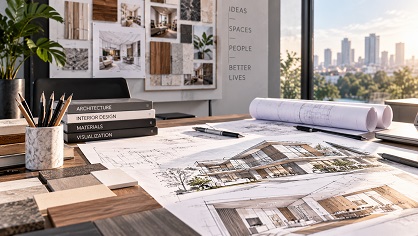
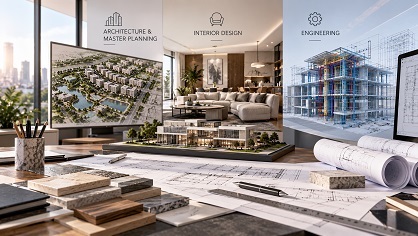
We therefore connect different disciplines from the earliest stages of a project, bringing together architecture, interior design, engineering, execution, and the surrounding landscape. This integration creates a unified vision, reduces gaps between project stages, and strengthens the consistency of the final result.
We also place strong emphasis on the human dimension. Successful places make movement intuitive, provide comfort, encourage interaction, and create a sense of belonging. We therefore study how people use spaces, how their needs evolve, and how design can respond to these changing requirements.
Sustainability is another essential part of the built environment. This includes responsible resource use, improved energy performance, appropriate material selection, and the creation of spaces that can remain relevant and adaptable over time.
Thinking about the built environment means moving beyond the design of an individual element toward the creation of an integrated system. This is the approach we pursue at Ekelenza: creating places that not only meet project objectives, but also add lasting value to their surroundings and to the people who experience them.
Popular Blogs
Built Environment: Designing Beyond the Building
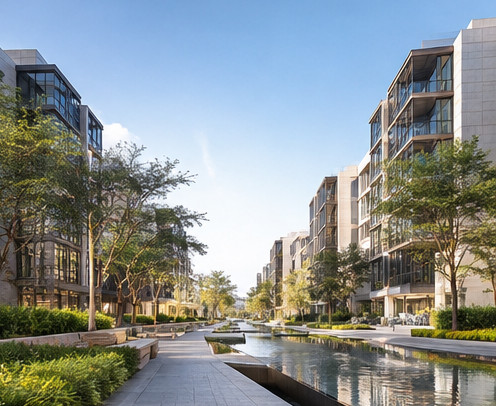
The built environment represents the broader framework that brings together everything we design and build around people. It extends beyond individual buildings to include outdoor spaces, relationships between buildings, movement, infrastructure, materials, nature, and the visual identity of a place.
At Ekelenza, we believe a successful project must be understood within its complete context. A building may be visually distinctive, but its value becomes greater when it forms part of an integrated environment that functions efficiently, supports its users, and responds meaningfully to its surroundings.
We therefore connect different disciplines from the earliest stages of a project, bringing together architecture, interior design, engineering, execution, and the surrounding landscape. This integration creates a unified vision, reduces gaps between project stages, and strengthens the consistency of the final result.
We also place strong emphasis on the human dimension. Successful places make movement intuitive, provide comfort, encourage interaction, and create a sense of belonging. We therefore study how people use spaces, how their needs evolve, and how design can respond to these changing requirements.
Sustainability is another essential part of the built environment. This includes responsible resource use, improved energy performance, appropriate material selection, and the creation of spaces that can remain relevant and adaptable over time.
Thinking about the built environment means moving beyond the design of an individual element toward the creation of an integrated system. This is the approach we pursue at Ekelenza: creating places that not only meet project objectives, but also add lasting value to their surroundings and to the people who experience them.
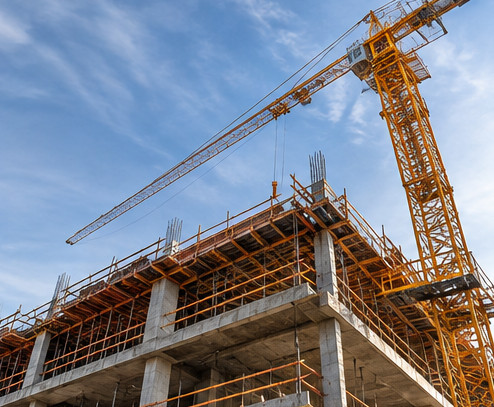
Execution: From Drawings to a Refined Reality
Execution is the stage where vision becomes physical reality, making execution quality just as important as design quality. At Ekelenza, we see execution as a natural continuation of the design process rather than a separate phase.
We begin with a thorough understanding of drawings, specifications, and details, followed by a clear execution methodology aligned with approved priorities and schedules. This approach helps ensure a smooth transition from design to site with minimal conflicts and unplanned changes.
Successful execution requires continuous coordination between disciplines and project stakeholders. We therefore maintain close communication with teams, suppliers, contractors, and other partners while ensuring that decisions are made efficiently and at the right time.
Quality control is one of the fundamental pillars of our execution process. We pay attention to every detail, from material quality to installation accuracy and final finishes, ensuring that completed work reflects the approved design and specifications.
We also focus on effective time and resource management to maintain consistent progress without compromising quality. This includes monitoring project stages, addressing challenges early, and ensuring that required resources and materials are available when needed.
Ultimately, execution is our responsibility to transform an idea into something tangible, functional, and enduring. We strive to achieve the highest possible level of precision, consistency, and craftsmanship throughout every stage of the project.
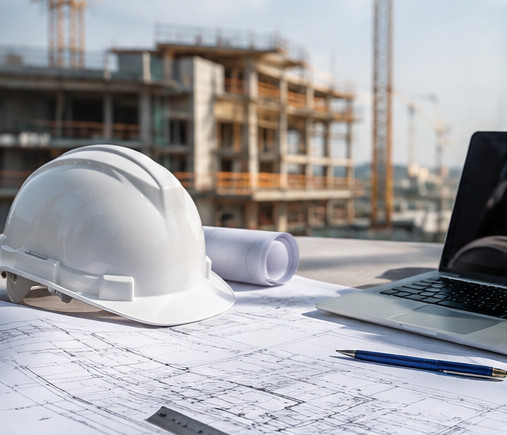
Engineering: Turning Vision Into Precise Solutions
Engineering is what transforms design ideas into buildable solutions. At Ekelenza, we integrate engineering thinking with architectural and design vision from the earliest stages of a project, creating solutions that balance performance, aesthetics, efficiency, and reliability.
Our approach begins with a comprehensive understanding of the project, its technical requirements, functional objectives, and operational needs. We then develop engineering systems and solutions that support the design vision without compromising the quality of the final experience.
The process may include structural systems, mechanical and electrical systems, infrastructure, and multidisciplinary coordination. This coordination is essential to project success, helping identify potential conflicts early and reducing changes during construction.
Constructability is also a major consideration. A successful engineering solution must not only be technically correct, but also practical and achievable within the project’s budget, schedule, site conditions, and construction requirements.
Integrated engineering can also improve the long-term performance of buildings by considering system efficiency, energy consumption, maintenance requirements, and the selection of materials and technologies appropriate to the building’s environment and use.
By combining engineering expertise with multidisciplinary coordination, we help reduce risks, improve execution quality, and achieve more precise and reliable results. The objective is not simply to construct a building, but to ensure that it performs as intended and retains its value over time.
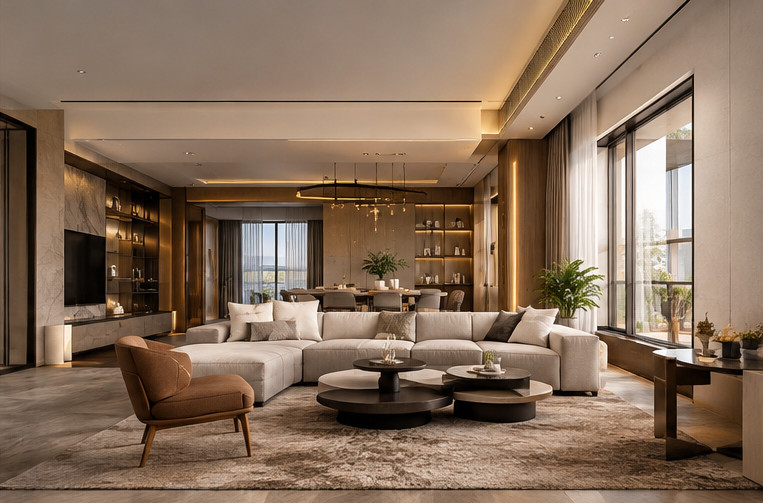
Interior Design: Shaping Experience From Within
At Ekelenza, interior design is not simply about selecting colors, furniture, and finishes. It is an integrated process focused on creating a coherent experience within a space. Every element, from circulation and lighting to materials and details, contributes to the way users perceive and experience the environment.
We begin each project by understanding its identity, objectives, and users. Whether residential, commercial, corporate, hospitality, or mixed-use, the interior should express the purpose of the space while creating an environment that is both functional and engaging.
We develop a clear design concept that establishes the project’s character, then translate it into balanced spatial planning, carefully selected materials, a refined color palette, considered lighting systems, and customized furniture or elements where required.
Lighting plays a fundamental role in our approach. Light can transform the perception of scale, depth, materials, and colors. We therefore study the relationship between natural and artificial lighting to create comfortable and efficient environments that maintain their quality throughout the day.
Materials and details are equally important. A material is not only a visual choice; it affects the atmosphere, usability, durability, and long-term character of a space. By combining natural, contemporary, and refined materials, we create interiors with depth and distinctive personality.
The ultimate goal is to create interiors that are not dependent on temporary trends, but possess a balanced and enduring identity. Spaces that feel purposeful, function efficiently, and deliver a complete visual and sensory experience.
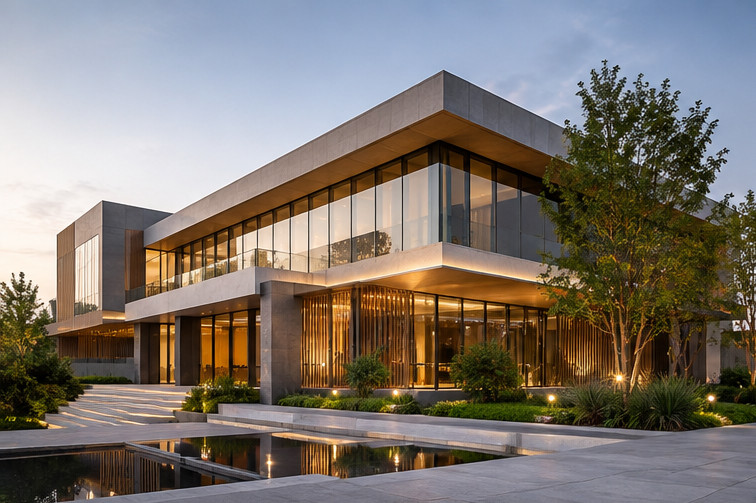
Architecture: Designing Spaces That Shape Experience
True architecture begins with an understanding of place and what that place can become. At Ekelenza, we believe successful architectural design is not defined solely by the external appearance of a building, but by its ability to respond to its surroundings, users, project requirements, and identity while maintaining a clear and powerful design vision.
We develop architectural projects from the earliest stages of concept through to a comprehensive vision capable of being executed with efficiency and precision. The process begins with understanding the site, studying the relationship between masses and spaces, and analyzing movement, daylight, ventilation, materials, and environmental conditions before transforming these insights into a coherent architectural language.
We place particular emphasis on the relationship between a building and its context. A building does not exist independently from the city or its site. It becomes part of a larger system that includes the urban landscape, outdoor spaces, circulation, and everyday activities. Our goal is therefore to create architecture that engages with its surroundings and contributes positively to them.
We also believe that function and beauty should work together. Exceptional architecture provides a clear and comfortable user experience while establishing a distinctive visual identity. Through the careful study of proportion, materials, light, spatial composition, and details, we seek to achieve a balance between performance and aesthetics.
Sustainability is also an important part of our architectural approach. We consider energy efficiency, natural daylight, material selection, environmental performance, and long-term building efficiency from the early design stages. For us, sustainability is not an additional layer; it is an integral part of the design process.
Ultimately, we believe successful architecture is architecture that retains its value over time: buildings with a clear identity, strong functionality, contextual awareness, and a lasting sense of quality.